



RYA Diesel Engine Course – All You Need To Know
For many skippers, the engine is something they rely on every trip but do not fully understand until something goes wrong.
That can be a problem.
A minor diesel engine issue at the wrong time can quickly become stressful, especially when manoeuvring in a marina, entering harbour, or dealing with strong tide or wind. The RYA Diesel Engine course is designed to give you the confidence to understand your engine better, spot common problems early, and deal with basic faults before they become something more serious.
Whether you own a boat, charter regularly, or simply want to become a more capable skipper, this is one of the most practical one-day courses you can take.
What Is the RYA Diesel Engine Course?
The RYA Diesel Engine course is a short practical course that introduces the key principles of marine diesel engines, routine care, and fault finding.
It is designed to help you prevent common engine problems and improve your chances of getting an engine running again if something goes wrong.
Rather than turning you into a marine engineer, the course focuses on the kind of real-world knowledge that is genuinely useful to boat owners and skippers. By the end of the day, you should have a much better understanding of how a small marine diesel engine works, what to check before and during use, and how to respond to some of the most common causes of engine failure.

Who Is the Course For?
The RYA Diesel Engine course is suitable for a wide range of boaters. There are no restrictions on who can attend.
It can be especially useful for:
- new boat owners who want to understand their engine better
- skippers who rely on an auxiliary engine but feel unsure about maintenance
- sailors preparing for chartering or longer passages
- crew who want to become more useful and self-sufficient on board
- anyone who has ever lifted an engine cover and hoped for the best
You do not need previous engineering knowledge to benefit from the course. It is designed to be accessible, practical, and relevant to everyday boating.
Do I Need Any Prior Knowledge?
No prior diesel or mechanical knowledge is normally required.
That is one of the strengths of the course. It starts with the basics and builds from there, so it is well suited to people who want a proper introduction rather than those looking for advanced mechanical training.
If you already have some experience, it can still be valuable as a way to fill in gaps, build confidence, and make your knowledge more systematic.
What Will You Learn on the RYA Diesel Engine Course?
The course focuses on the systems and checks that matter most to everyday boat users.
Topics typically include:
How a marine diesel engine works
You will usually cover the basic operating principles of a four-stroke diesel engine and how the main systems work together.
Routine engine checks
This includes the kinds of checks you should be carrying out before starting and while running the engine, helping you spot issues early.
Fuel, cooling, and air systems
You will look at the systems most commonly involved in engine faults and learn how problems in these areas can stop an engine from running properly.
Electrical system basics
You will usually cover the engine’s electrical side, including common starting issues and the importance of battery condition and connections.
Maintenance and servicing
The course introduces sensible routine care, helping you understand what should be checked, replaced, cleaned, or monitored over time.
Troubleshooting common faults
One of the most useful parts of the course is learning to think logically when something goes wrong. Instead of panicking, you start to work through likely causes in a sensible order.
Spares, tools, and preparation
You will also cover what it makes sense to carry on board, from basic spare parts to useful tools that can make a real difference when fault finding.
Winterisation and lay-up
Depending on the course format, this may also include protecting the engine when the boat is out of use.
Is the RYA Diesel Engine course practical?
Is the RYA Diesel Engine Course Practical?
Yes, and that is a big part of its value.
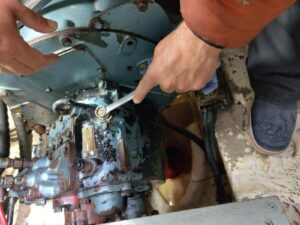
A good RYA Diesel Engine course should not just be theoretical. It should give you the chance to see the engine, understand the parts in context, and get hands-on with checks or fault-finding exercises where possible.
If you are comparing providers, this is one of the most important things to look for. Some courses may be more demonstration-based, while others give you much more direct interaction with a real engine. That can make a big difference to how much you take away from the day.
How Long Does the Course Take?
The RYA Diesel Engine course is typically a one-day classroom or workshop-based course.
It is short enough to fit into a busy schedule, but long enough to give you a useful grounding in diesel engine care and troubleshooting.
Can You Do the RYA Diesel Engine Course Online?
This course must be delivered in person rather than online.
That makes sense, because much of the value comes from seeing real components, understanding how they fit together, and getting practical experience in a workshop or classroom environment.
If your main goal is confidence around a real engine, face-to-face learning is usually the better format.
Is There an Exam?
There is no formal written exam in the same sense as some theory courses.
Instead, the course is mainly about learning, understanding, and participation. Your instructor will expect you to engage with the material and demonstrate a sensible grasp of the key ideas by the end of the day.
In many cases, that may include talking through or working through a fault-finding scenario.
How Much Does the RYA Diesel Engine Course Cost?
Prices vary between training centres, so it is worth comparing a few options.
That said, price should not be the only factor.
A cheaper course is not always better value if it offers limited hands-on time, poor facilities, or a rushed learning experience. When comparing courses, it is worth checking:
- whether training is hands-on with a real engine
- how experienced the instructor is
- whether lunch or refreshments are included
- class size
- what venue or workshop setup is used
- whether there is enough opportunity to ask questions
A one-day course that leaves you far more confident around engines can save you money and stress later on.
Why Take an RYA Diesel Engine Course?
Because engine problems rarely happen at a convenient moment.
You may never want to strip down an engine in detail, but most skippers should be able to understand the basics, carry out sensible checks, and respond calmly to common issues. That is what this course helps with.
It can also help you:
- feel more confident operating your own boat
- become less dependent on outside help for simple problems
- reduce the risk of avoidable breakdowns
- make better decisions when something sounds, smells, or feels wrong
- become a more capable and prepared skipper overall
What Comes After the Rya Diesel Engine Course?
After completing the course, you should feel more confident about caring for a diesel engine, identifying simple problems, and understanding what action to take if an engine fails.
For many people, that alone makes the course worthwhile.
It also pairs well with other practical short courses, especially if you are building confidence as a skipper. Depending on your boating plans, useful next steps might include courses such as Marine Radio SRC or RYA PPR.
Final Thoughts
The RYA Diesel Engine course is one of those courses that many boaters only appreciate properly after they have done it.
It is practical, relevant, and immediately useful. You may not need to become an expert mechanic, but understanding the engine you depend on is part of becoming a more capable and self-reliant skipper.
If you want to feel calmer, more prepared, and more competent when something under the engine cover demands your attention, this course is a very worthwhile investment.

