RYA Personal Watercraft Proficiency Course.
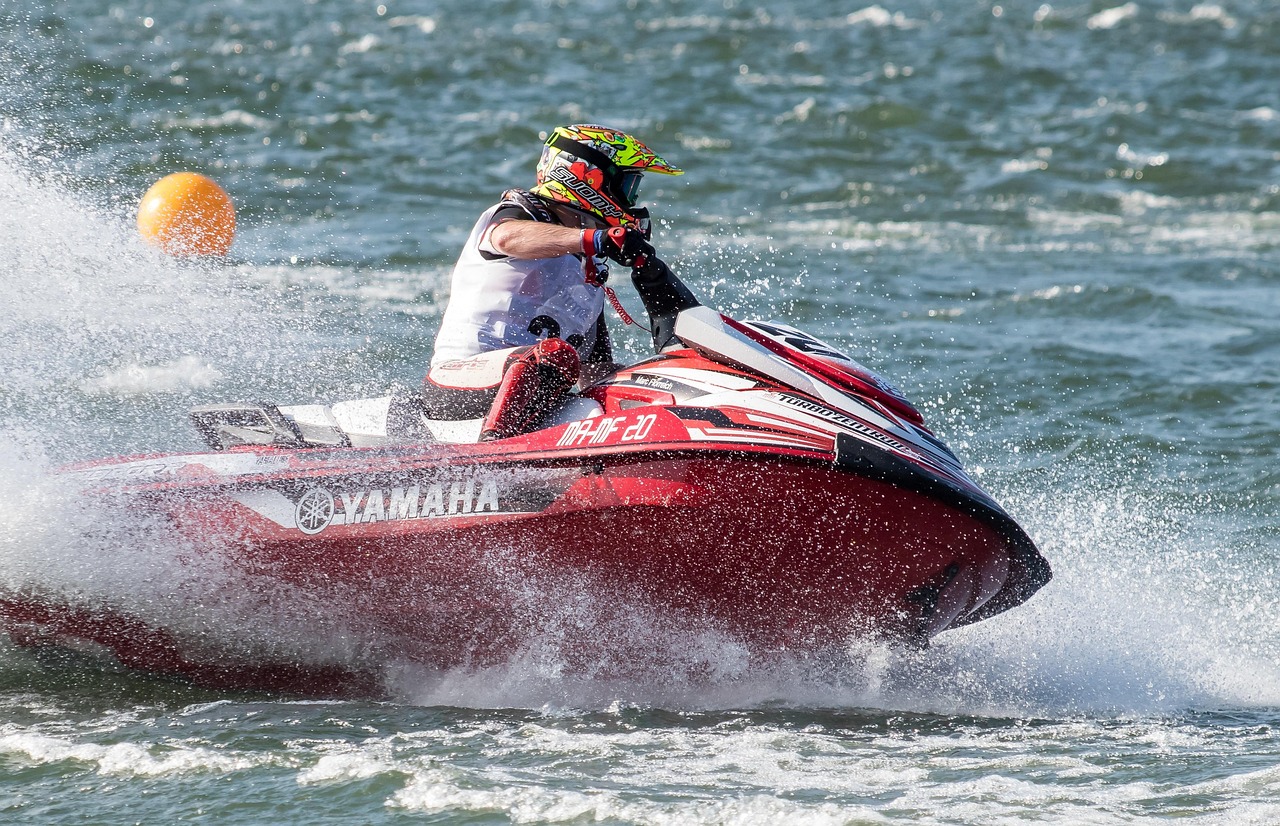
The RYA Personal Watercraft Proficiency Course is a one-day practical course designed to teach the basic principles of personal watercraft riding, along with the essential safety knowledge needed to use a personal watercraft responsibly.
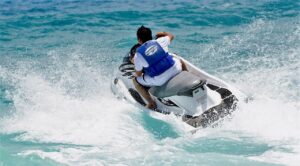
A personal watercraft, often shortened to PW or PWC, is what many people would commonly call a jet ski.
The course is suitable for first-time riders as well as those who have already used personal watercraft but want to improve their safety, confidence and handling skills.
What is the RYA Personal Watercraft Proficiency Course?
The RYA Personal Watercraft Proficiency Course teaches you how to use a personal watercraft safely and confidently.
It covers the key skills you need before heading out on the water, including launching, handling, recovery, basic navigation, collision avoidance, emergencies and how to ride safely at speed.
Personal watercraft are fast, exciting and very manoeuvrable, but that also means they need to be handled with care. The course is designed to give you a solid foundation so you can enjoy using a PW while making good decisions for yourself, your passengers and other water users.
Is this a jet ski licence?
Many people search for a “jet ski licence” when they are looking for this course.
In the RYA system, the course leads to the RYA Personal Watercraft Proficiency certificate. This is widely recognised and is often used as evidence that you have completed formal training.
Whether you need a certificate depends on where you plan to ride. Some harbours, launch sites, clubs, insurance companies or hire operators may ask for evidence of competence before allowing you to launch or use a personal watercraft.
If you want to ride abroad, you may also need an International Certificate of Competence, usually known as an ICC. The RYA Personal Watercraft Proficiency certificate can be useful evidence of competence when applying for the relevant ICC category, but you should always check the latest requirements for the country or area you intend to visit.
Who can do the RYA Personal Watercraft Proficiency Course?
The course is suitable for anyone aged 12 or over.
Candidates aged 12 to 16 should only use personal watercraft under the supervision of a responsible adult, and their certificate will be endorsed accordingly.
You do not need previous experience to take the course. It is designed to work for beginners, while still being useful for people who have already spent time on personal watercraft and want more structured training.
The course is especially useful if you:
- Have bought or are thinking of buying a personal watercraft
- Want to hire a PW on holiday
- Need a certificate for a harbour, launch site or club
- Want to improve your safety and confidence
- Want to ride with family or friends
- Are planning to use a PW abroad
- Want a practical introduction into the sport
What do you need to know before the course?
There are no formal prerequisites for the RYA Personal Watercraft Proficiency Course.
That said, a little background knowledge always helps. If you are new to boating, the RYA Essential Navigation and Seamanship course is a useful addition because it introduces navigation, charts, tides, buoyage, rules of the road and general safety awareness.
You do not need to complete Essential Navigation and Seamanship before taking your PW course, but it is a sensible next step if you want to become more independent on the water.
What type of craft is the course delivered on?
The course is delivered on a personal watercraft.
If you are looking for a course on a RIB or small powerboat, then you are probably looking for an RYA Powerboat course instead, most commonly RYA Powerboat Level 1 or Level 2.
Although there is some overlap in safety knowledge, a personal watercraft handles very differently from a RIB or conventional powerboat, so it has its own dedicated RYA course.
How long does the course take?
The RYA Personal Watercraft Proficiency Course takes one day.
It is predominantly practical, so you should expect to spend a good amount of time afloat. There will also be some shorebased learning, briefings and discussions, especially for topics such as safety, weather, navigation and rules of the road.
What does the course cover?
The RYA syllabus includes:
- Weather
- Safety and courtesy to others
- Launching and familiarisation
- PW handling
- Emergencies
- Rules of the road
- Essential navigation
- Recovery and aftercare
The aim is to build safe, confident control of the craft while also developing the judgement needed to operate responsibly around other water users.
What happens during the course?
Your instructor will introduce each skill, explain the key safety points, demonstrate techniques where appropriate, and then give you time to practise.
You can expect a mixture of:
- Safety briefings
- Pre-launch checks
- Launching and recovery
- Low-speed handling
- Higher-speed control
- Manoeuvring
- Stopping distances
- Turning
- Awareness of other craft
- Emergency procedures
- Basic navigation and orientation
- Aftercare and looking after the craft
The course should feel practical and active, but it is not just about riding around. A good course will help you understand why each skill matters and how to make safer decisions once you are out without an instructor.
Do I need to be physically fit?
You do not need to be an athlete, but you should be comfortable being active on the water.
Personal watercraft riding can be physical. You may need to climb on and off the craft, move around on a pontoon or slipway, recover from the water, and cope with spray, movement and changing weather.
If you have a medical condition, injury, mobility concern or are nervous around water, speak to the training centre before booking. They can explain what is involved and advise you properly.
What should I bring?
Your training centre should send joining instructions before the course, and you should follow those carefully.
As a general guide, you may need:
- Swimwear or suitable base layers
- A towel
- A change of clothes
- Footwear suitable for use around water
- Waterproofs or wetsuit/drysuit, if not provided
- Sunscreen
- Water bottle
- Any required medication
- Lunch or money for food, depending on the venue
It is worth asking the training centre whether they provide buoyancy aids, lifejackets, wetsuits, waterproofs, helmets or other safety equipment.
How much does the RYA Personal Watercraft Proficiency Course cost?
Prices vary between training centres, so it is worth comparing what is included rather than simply choosing the cheapest option.
When comparing courses, ask:
- Is fuel included?
- Is safety equipment included?
- Do I need to bring my own wetsuit or waterproofs?
- How many students will be on the course?
- Is lunch included?
- Is parking included?
- Are there any launch fees or local charges?
Cheapest is not always best. A well-run course with good equipment, clear instruction and plenty of practical time is usually worth paying for.
Anyone completing an RYA PW course should receive a copy of the RYA Personal Watercraft Handbook G35. This is a useful guide for both new and experienced riders, covering topics such as pre-launch checks, passage planning, offshore cruising and legal requirements.
Where should I do the course?
The best place to do the course depends on how you plan to use your personal watercraft.
One good option is to train in the area where you expect to ride most often. This can help you understand local hazards, launch procedures, speed limits, harbour rules, exclusion zones and common traffic patterns.
Another option is to choose a centre based on the quality of the training. Look for a provider with good equipment, experienced instructors, sensible student numbers and clear information about what is included.
A course with two students can work well because you may learn from watching each other, but very large groups may mean less individual attention. Ask the centre how the day is structured if you are unsure.
How do I complete the RYA Personal Watercraft Proficiency Course?
There is no simple pass mark in the way there might be for an exam.
The instructor’s role is to help bring you up to a safe standard of control, awareness and judgement. They will assess your ability throughout the day and give you feedback as you progress.
You will need to take part in the practical elements and show that you can handle the craft safely and responsibly. Ultimately, if you engage, take onboard what the instructor is saying, and put the effort it, you should do okay.
Is the course useful if I already ride personal watercraft?
Yes. Many people learn informally from friends or family, and that can leave gaps in their knowledge.
Even if you can already ride, the course can help with:
- Safer launching and recovery
- Better low-speed control
- Understanding stopping distances
- Reading weather and water conditions
- Navigation basics
- Rules of the road
- Collision avoidance
- Emergency procedures
- Local regulations and good etiquette
It is also useful if you need formal evidence of training for a harbour, club, hire company, insurer or overseas trip.
What should I think about before going out on a personal watercraft?
Before heading out, think carefully about:
- The weather forecast
- Tide and sea conditions
- Local regulations
- Speed limits
- Exclusion zones
- Other water users
- Wildlife and the marine environment
- How you will call for help
- Whether you are riding with another craft
- Who knows where you are going and when you expect to return
A personal watercraft can travel quickly, so small mistakes can develop fast. Good planning and a respectful attitude to other water users make the day safer and more enjoyable for everyone.
What comes after the RYA Personal Watercraft Proficiency Course?
The best thing to do after the course is to get out on the water and practise.
Start in suitable conditions, stay within your limits and build experience gradually. Riding without an instructor is when you really begin to consolidate the skills you learned on the course.
If you want to keep improving, the next useful steps are:
- RYA Essential Navigation and Seamanship
- RYA Marine Radio SRC
- RYA First Aid
- More supervised practice in different conditions
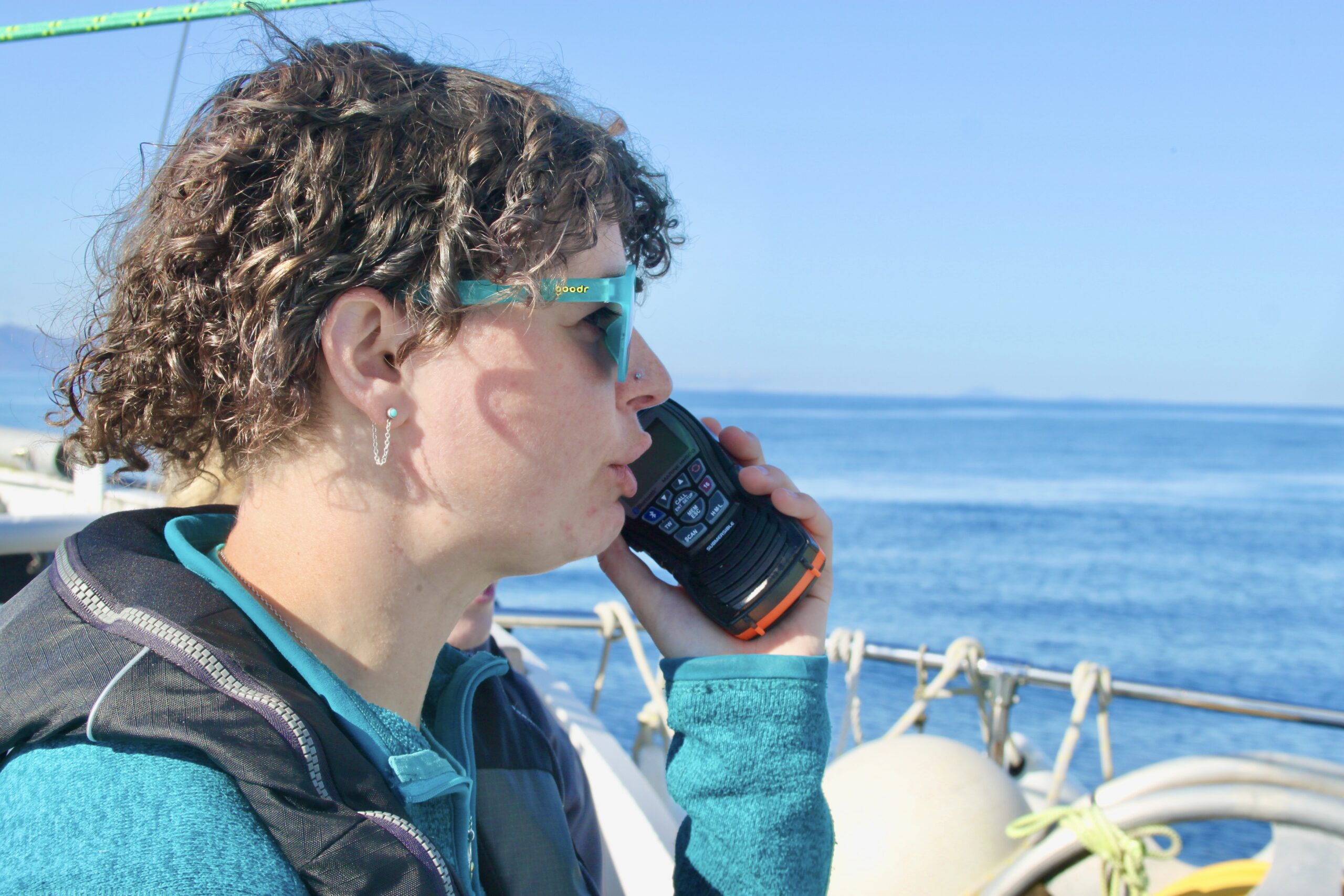
The RYA Marine Radio SRC is especially useful if you carry a handheld VHF or have access to a marine radio. Being able to call for help clearly and correctly is an important part of staying safe on the water.
Final thoughts
The RYA Personal Watercraft Proficiency Course is a practical, useful course for anyone who wants to ride a personal watercraft safely and confidently.
It gives you the foundations of launching, handling, recovery, safety, navigation, rules of the road and emergency procedures. It can also be useful evidence of competence for launch sites, clubs, hire operators, insurers or overseas boating.
Personal watercraft are great fun, but they are powerful craft that deserve proper training and respect. A good one-day course is a sensible investment before heading out on your own.
If you would like to build your wider boating knowledge, the RYA Essential Navigation and Seamanship course and the RYA Marine Radio SRC certificate are both excellent next steps.